
vbet | Jueteng: Cultural Intricacies and Societal Impact
vbet’s Explore the cultural, social, and political dimensions of Jueteng, an illicit numbers game deeply rooted in Filipino society, examining its impact and the challenges around regulation and reform.
Exploring the Cultural and Social Implications of Jueteng
An Overview: The Allure of Jueteng
Jueteng, an illegal numbers game deeply rooted in the Philippines, remains a fixture in Filipino culture and society. Despite government efforts to eradicate it, jueteng has persisted, reflecting intricate societal dimensions. Its origins intertwine with colonial history, and its resilience mirrors the complex social dynamics involving politics, economics, and culture.
This game operates predominantly in the shadows due to its illegal status yet commands substantial participation across various regions. Understanding jueteng involves delving into the systemic structures and the interconnected roles of community members, from grassroots bettors to influential players known as "kubradors" and "cabos.", all within the synthesis of community involvement and local economies.
The Mechanics of Jueteng
Typically, jueteng operates on a simple principle where bets are collected on a daily number selection. Participants choose a combination of numbers, usually between 1 and 37, with two draws conducted a day. A successful wager hinges on matching all selected numbers, resulting in cash rewards.
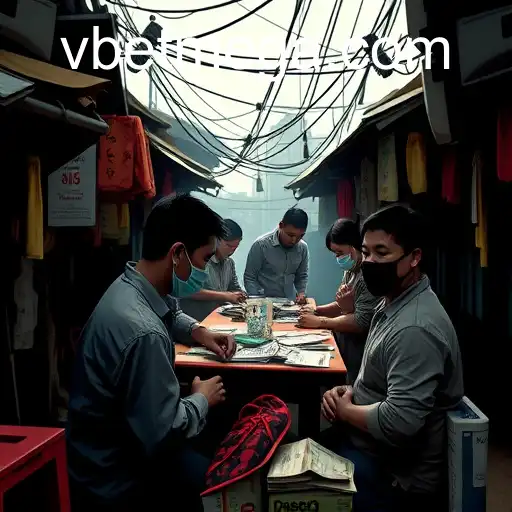
The operation is clandestine yet organized. The overhead team consists of "kubradors," responsible for gathering bets and a "cabo," overseeing operations, managing collections, and ensuring participants are paid. This structure creates a livelihood for various individuals, enriching both impoverished local economies and high-tier organizers.
Societal Interplay: Jueteng and Community Dynamics
Jueteng's survival can largely be attributed to its financial relevance within local communities. Economically disadvantaged individuals often engage in jueteng lured by the potential for financial relief. Furthermore, the employment offered by jueteng through roles like bettors significantly impacts community livelihoods, sustaining the game's popularity.
This gambling practice holds more than economic significance. It doubles as a social activity that fosters community relationships and distractions from daily hardships. Often, discussions around jueteng numbers and betting strategies become communal conversations, strengthening social bonds.
The Political Overlay: Jueteng and Power Structures
Jueteng is deeply entwined with political frameworks, where it often becomes a currency in the socioeconomic landscape. Allegations and historical accounts suggest that jueteng operations have been linked to political figures, who either protect these operations or benefit financially. The persistence of jueteng might often be attributed to corruption within enforcement and regulatory bodies, where bribes perpetuate the system's existence.
Political patronage further complicates eradication efforts. Politicians have been known to leverage jueteng networks for electoral gains, promising protection in exchange for votes. Such dynamics pose significant challenges to transparency and governance.
Cultural Roots and Resistance to Change
Despite legal prohibitions, jueteng has resisted eradication attempts due to its deep cultural roots. It has, over time, become intertwined with Filipino cultural identities, rooted in their history as well as in their present social fabric. Jueteng symbolizes resilience and adaptability amid stringent legal constraints, reflecting community necessities.
Attempts to replace jueteng with legal alternatives, like small-town lotteries, have seen resistance, highlighting the entrenched cultural preference and trust in traditional systems. Participants frequently report a sense of ownership and autonomy within jueteng, fostering local support for its continuity.
The Challenges of Legalization and Regulation
Efforts aimed at addressing jueteng through legalization and regulation face numerous challenges. The informal sector, housing most of these operations, remains agile in evading formal oversight, supported by actors benefiting illegally. Furthermore, any regulatory framework must consider the societal and economic disruptions legalization may cause.
The transition toward a legalized, regulated entity involves reforming existing infrastructures, addressing corruption, and ensuring systems are equitable and supportive of community livelihoods without exploitation. Unrealistic expectations regarding swift transitions often fail due to entrenched corruption and layered community dependencies.
Considering the Future
Addressing jueteng in Filipino society demands multifaceted approaches. It's critical to consider the economic underpinnings that fuel jueteng's prevalence, focusing on enhancing legitimate employment opportunities within these communities. In addition, parallels between jueteng and broader socio-political issues necessitate a reformative approach prioritizing transparency and corruption reduction.
As societal norms evolve, so too must the structures engaging in persistent illicit gambling practices. Whether through gradual policy reforms, strengthened community engagement, or economic programs, future strategies need systemic change and inclusive governance, promising alternatives rather than punitive measures.
